Landscape Handover: Plants, Paving and the First Month of Care
A new landscape needs more than a final wide-angle photograph. The handover should explain what was installed, how to care for it and which issues still need attention.
Walk the site with the contractor using the agreed plan and approved changes. Keep the review practical: routes, finishes, plant identities and maintenance access.
Match the installation to the plan
Check plant quantities and labels, noting any agreed substitutions. Look at the named paving and edging areas and record incomplete work. Describe visible concerns without attempting to diagnose concealed construction yourself.
Ask which newly installed areas should remain unused and for how long under the contractor's specific instructions. Do not assume every surface is ready for immediate loading.
Separate establishment from normal care
New plants and lawn may need a different routine from established landscaping. Request instructions tailored to the species, season and local conditions. Confirm how irrigation settings will be reviewed and who adjusts them.
If the household cannot provide the required care, arrange help before the contractor leaves. A care sheet is useful only when someone can carry it out.
Collect the records
- Final plant and material schedule.
- Irrigation layout and operating guidance where included.
- Care requirements and relevant product warranties.
- Photographs or records of concealed work supplied under the agreement.
- Contact route for defects or establishment concerns.
Ask what any plant replacement promise covers and what evidence of care is expected. Do not assume that every loss has the same cause or falls under the same term.
Agree the outstanding list
Record each incomplete item, who handles it and the next planned date. Include reinstatement outside the garden if deliveries or machinery affected it. Arrange any agreed follow-up visit in writing.
For a US property, inspection and completion requirements depend on the work and location. This checklist does not establish code compliance. It helps the owner take over a landscape with an understandable care routine and a clear record of what remains to be done.
Further reading
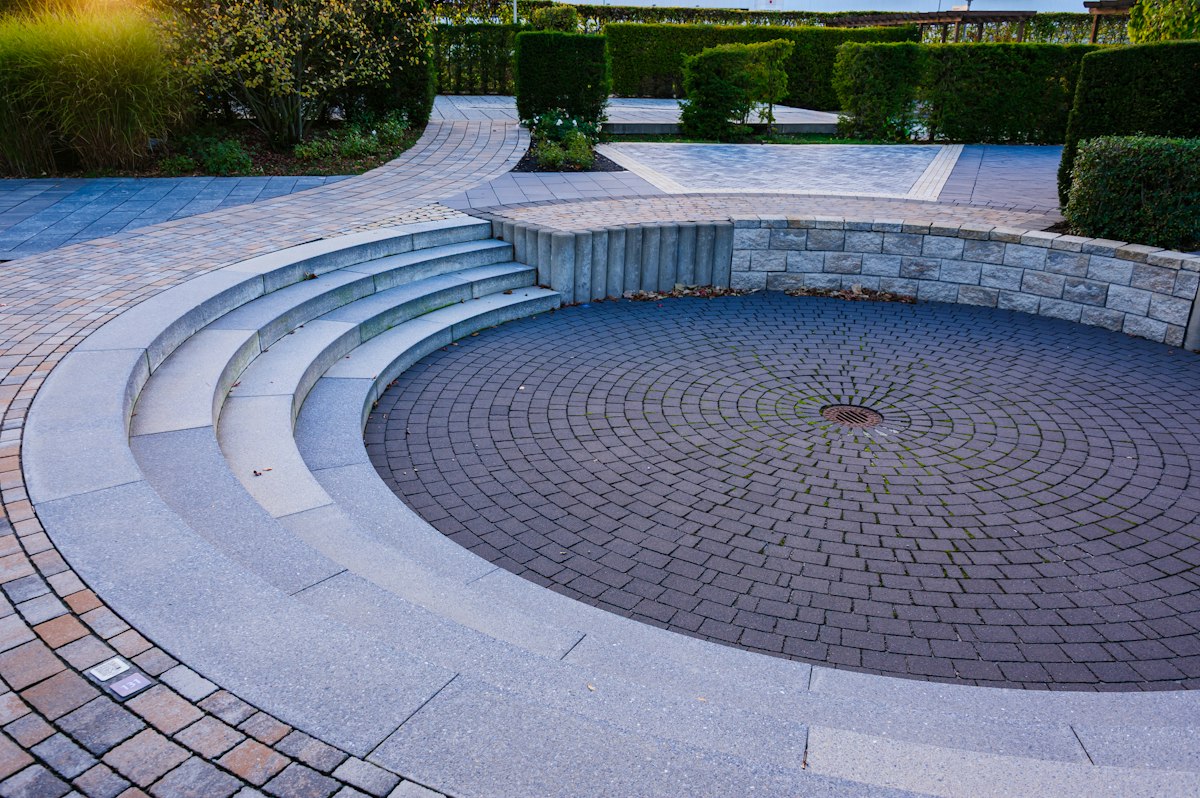
Photo: Sergej ***** / Unsplash. Stock image for context; not a photograph of a project reviewed in this article.