Rain in the Garden: Build a Drainage Brief from Observations
A wet patch can have several possible explanations, and a dry-day visit may not show how water reaches it. Before commissioning drainage work, collect a safe record of what happens during and after rainfall.
Photograph from accessible ground and stay away from flowing water, unstable surfaces or electrical hazards. Never enter a pit or drain to investigate.
Record the sequence
Note where water first appears, which direction it travels and how long it remains. Include downpipes, paved areas and changes in ground level in the wider photographs. Write down recent building or landscaping work.
The record should distinguish observation from theory. “Water arrives from this corner” is useful; “the pipe is broken” needs professional evidence.
Ask what needs assessment
A qualified professional may need to consider site levels, soil, roof-water connections and the existing drainage arrangement. Ask who is responsible for each part and whether further investigation is needed before design.
Be cautious about a quote that adds a drain without identifying where the collected water can lawfully and practically go.
Compare the proposed outcome
Request a description of the problem being addressed, the work included and the limitations. A garden improvement should not be described as a guarantee against every storm. Ask what performance the design is intended to provide and how it relates to the assessment.
Include excavation, reinstatement and maintenance access. Agree how hidden obstructions or unsuitable existing connections will be priced and authorised.
Keep the handover useful
Ask for the final layout and any relevant inspection or completion documents. Record the maintenance the system requires and how to report a recurrence. Photographs of concealed work may help future contractors understand what was installed.
In Australia, local stormwater controls, plumbing requirements and property constraints need direct assessment. Do not divert water onto neighbours or connect to an unknown drain. A clear observation record helps a professional propose an appropriate solution without turning a guess about a wet patch into a construction specification.
Further reading
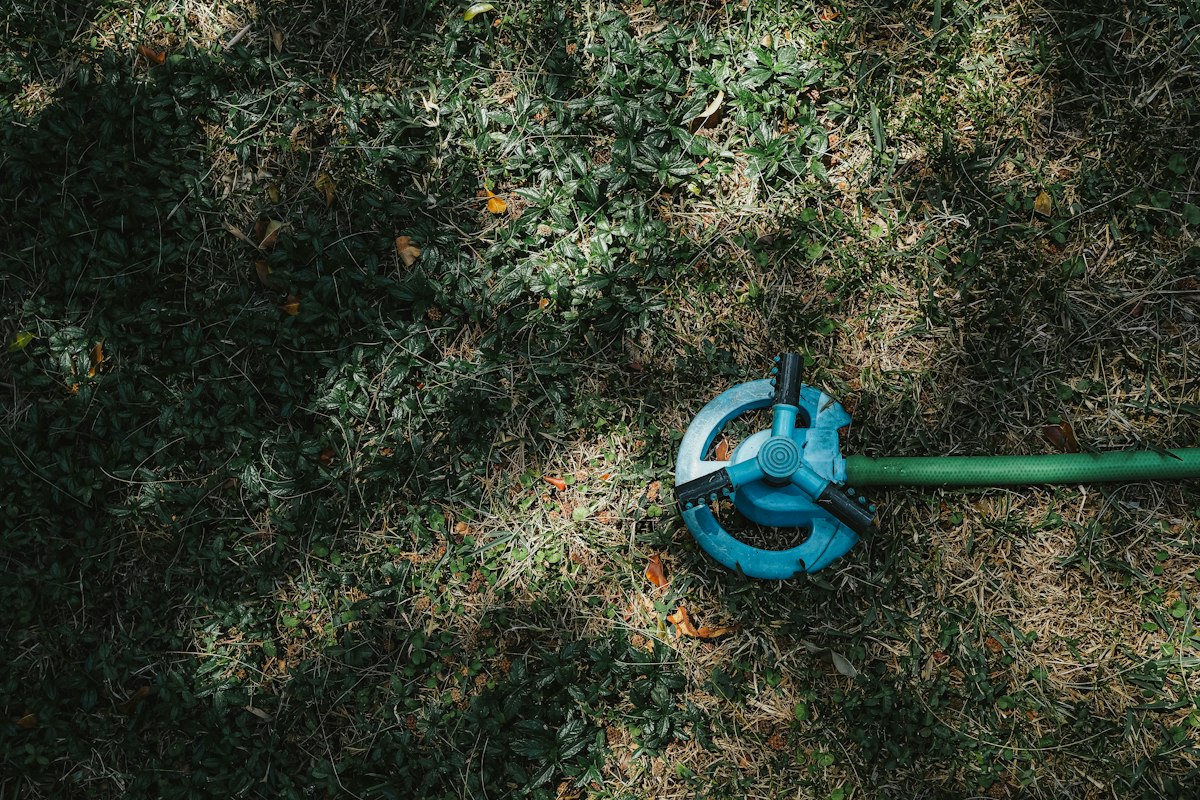
Photo: Omar / Unsplash. Stock image for context; not a photograph of a project reviewed in this article.